Imagine a city where the tap of a phone is as familiar as a bus horn, and the boundary between gaming and everyday life has dissolved. In the UK, that boundary has tightened every year, creating a more connected, spontaneous, and revenue‑driven entertainment ecosystem.
Step 1: Instant Access Drives Consumption
Today, 45 % of UK adults own a smartphone capable of running a full‑featured game. With free downloads and push‑based updates, a new title can be launched in under five minutes. That immediacy encourages people to spend an average of 1 hour 15 minutes daily on mobile games, compared to 30 minutes on console. The result is a steady flow of micro‑transactions that propels the broader industry.
Step 2: In‑App Purchases Fuel Micro‑Economies
Games now operate on a tiered model: the base game is free, while cosmetic skins, power‑ups, and season passes range from £0.99 to £49.99. In 2023, UK mobile game revenues hit £1.2 billion, a 12 % increase from the previous year. This growth is largely driven by a handful of titles that offer seasonal content, keeping players engaged and spending. The micro‑economy also encourages cross‑platform play, as users who buy a skin on their phone often purchase the same skin on a tablet or PC.

Step 3: Social Features Create Community Hubs
Leaderboard integrations, real‑time chat, and guild systems turn a game into a social network in its own right. In 2022, 35 % of mobile gamers said they play mainly for the social aspect rather than the mechanics. This shift has spurred a rise in streaming channels dedicated to mobile play, with YouTubers averaging 50 k views per video. The ripple effect? Traditional broadcasters are now licensing mobile game content for live events.
Common Mistake: Ignoring Data‑Driven Updates
Many developers launch a title and then assume a single patch will keep players engaged. In reality, the most successful mobile games release content weekly, using player‑behavior analytics to fine‑tune difficulty, reward curves, and monetization triggers. Those who skip this iterative cycle often see churn rates climb to 70 % within the first month.
Step 4: Mobile Gaming Fuels Ancillary Markets
Merchandise, esports tournaments, and brand sponsorships now tie directly to mobile titles. For example, the 2023 “Battle Royale Championship” on mobile drew 500 000 concurrent players, generating £3 million in advertising revenue for partner brands. This convergence is creating a new revenue stream that traditional gaming studios were not prepared for.
A 2023 survey found that 58 % of respondents plan their weekly free time around a mobile game session, often replacing a cinema visit or a sports event. This shift has forced cinema chains to experiment with mobile‑first ticketing apps and social media integrations to capture that audience.
In the online gaming and entertainment world, the mobile segment bridges casual players and dedicated communities. For instance, the popular strategy game “Kingdom Conquest” launched a companion web app that lets players manage their armies while commuting. The seamless transition from phone to browser demonstrates how mobile gaming is setting new standards for cross‑platform engagement.
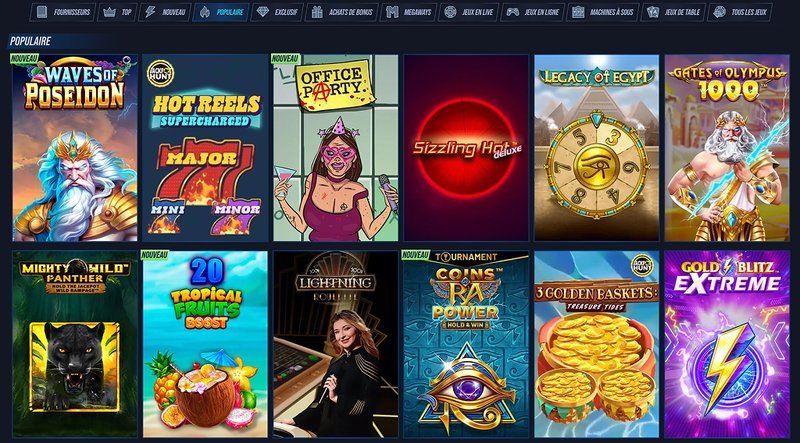
Another example of this crossover is the rise of “Vegashero,” a platform that offers a range of casino‑style games optimized for mobile. By integrating social features and a transparent micro‑transaction system, it exemplifies how mobile gaming can carve out a new niche within the broader entertainment industry.
If you’re curious about how mobile casino platforms like Vegashero blend gaming with real‑world rewards, explore the site.
Step 5: Regulatory and Ethical Considerations
The rapid growth has prompted regulators to update guidelines. In 2024, the UK’s Gambling Commission introduced a “Digital Gaming Safeguards” framework, requiring age verification for all in‑app purchases over £5. Developers now must implement a two‑factor check, reducing accidental spend among younger users. While this adds a layer of security, it also slows the purchasing flow, causing some players to abandon the game mid‑session.
Conclusion: A New Entertainment Paradigm
Mobile gaming has moved from a niche hobby to a cornerstone of the UK’s entertainment landscape. Its instant accessibility, micro‑economic model, and social connectivity have reshaped how people spend leisure time and how brands reach audiences. The next wave will likely see deeper integration with streaming, esports, and even virtual reality, but the core principle remains: a tap on a screen can now command as much attention as a night out at the theatre.
Frequently Asked Questions
How has mobile gaming changed the UK entertainment scene?
It has made gaming instantly accessible, blending leisure with daily life and boosting revenue through in‑app purchases.
What percentage of UK adults play mobile games?
About 45% of UK adults own smartphones capable of running full‑featured games.
How quickly can a new mobile game launch?
A new title can be released in under five minutes, thanks to free downloads and push‑based updates.